
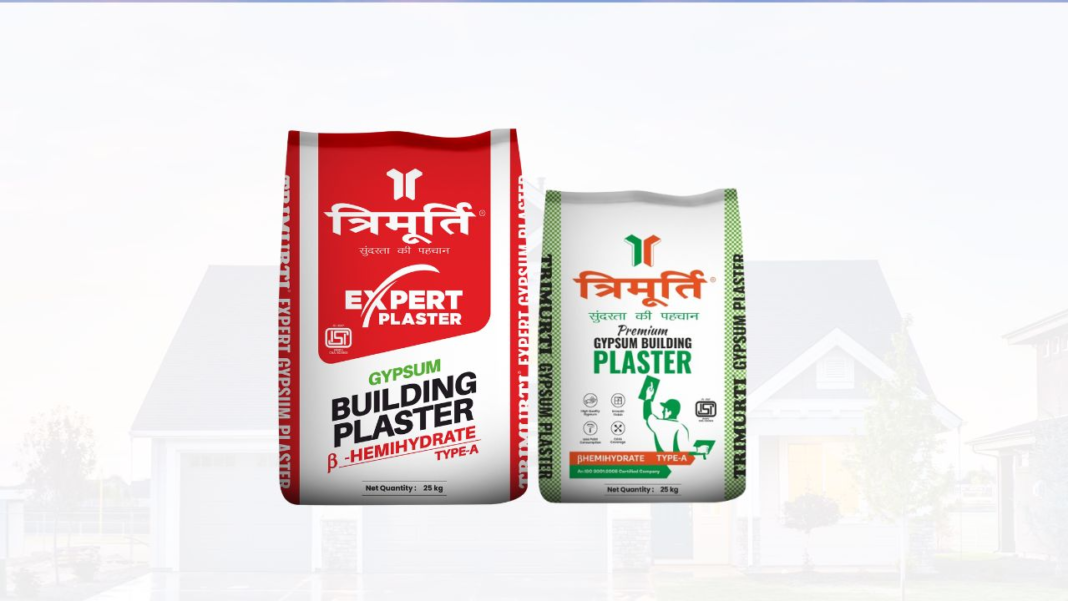

Interior and exterior walls form the backbone of any building’s structure and aesthetics. The foundation of a smooth, durable wall begins with proper surface treatment, which is why gypsum plaster has become a preferred material for builders and designers. Known for its ability to provide uniform finishes and reinforce wall strength, gypsum plaster ensures that surfaces are ready for high-quality finishes such as paint, tiles, or decorative coatings. Pairing gypsum plaster with complementary construction materials and precise application techniques can dramatically enhance both the functionality and visual appeal of interiors.
1. The Role of Gypsum Plaster in Building Durability
Gypsum plaster is more than just a finishing material; it contributes to the overall structural integrity of walls. By providing a uniform layer over brick, concrete, or block surfaces, it strengthens the wall and minimizes cracks and surface imperfections.
- Enhanced Wall Strength
Gypsum plaster reinforces walls by forming a strong, cohesive layer. It reduces the risk of small cracks and surface erosion, ensuring long-lasting durability and stability. - Smooth Surface Preparation
The fine texture of gypsum plaster allows for a uniform, even surface. This smooth foundation makes subsequent applications, such as paint or wall treatments, easier and more effective. - Fast Setting and Easy Application
Gypsum plaster sets quickly compared to traditional cement-based plasters, saving construction time. Its lightweight nature also simplifies handling and reduces labor effort.
2. Improving Interior Finishes with Gypsum Plaster
A critical advantage of gypsum plaster lies in its ability to enhance interior aesthetics. Walls treated with gypsum plaster present a flawless canvas that elevates the overall look of the room.
- Uniform Paint Absorption
Walls coated with gypsum plaster absorb paint evenly, preventing blotches and uneven coloring. This ensures the interior maintains a clean and professional appearance. - Reduction of Wall Imperfections
Gypsum plaster effectively covers minor wall defects, including uneven patches and small cracks. This results in a visually pleasing surface without the need for extensive sanding or preparation. - Compatibility with Decorative Treatments
The smooth surface allows for the application of decorative materials, such as wallpapers or textured finishes, while maintaining a strong base for long-lasting performance.
3. Combining Gypsum Plaster with Tile Installation
For areas requiring tiled surfaces, gypsum plaster creates a solid base that enhances adhesion and stability. When paired with high-quality adhesives and tile chemicals, it ensures that tiles remain firmly in place and are resistant to long-term wear.
- Strong Bonding Surface
Gypsum plaster provides a level and consistent surface, allowing tiles to adhere more effectively with the correct adhesive for tiles. This reduces the likelihood of loosening over time. - Minimized Risk of Tile Cracking
The flexible yet solid nature of gypsum plaster absorbs minor structural movements. This prevents cracks from transferring to tiles, preserving both wall and surface integrity. - Compatibility with Specialty Chemicals
Using the best tile chemical along with gypsum plaster enhances durability, ensuring water-resistant joints, stronger adhesion, and long-lasting finishes in wet areas like kitchens and bathrooms.
4. Technical Advantages of Gypsum Plaster in Modern Construction
Gypsum plaster is valued for its technical benefits that contribute to efficient, safe, and reliable construction processes. Its properties support both functional and environmental considerations.
- Fire Resistance
Gypsum plaster contains chemically bound water, which releases slowly under heat, providing a protective layer that improves wall fire resistance. - Sound and Thermal Insulation
The lightweight yet dense structure of gypsum plaster aids in sound absorption and thermal regulation, contributing to more comfortable indoor environments. - Crack Prevention and Flexibility
Gypsum plaster’s controlled setting and flexibility reduce the formation of cracks caused by structural shifts, settling, or temperature fluctuations, ensuring a longer-lasting wall surface.
5. Installation Best Practices for Optimal Results
While gypsum plaster offers excellent properties, proper installation is crucial for achieving smooth finishes and long-term durability. Precision during mixing, application, and curing determines the final performance.
- Proper Surface Preparation
Cleaning the wall surface and removing loose particles ensures maximum adhesion. A prepared surface prevents peeling and enhances overall strength. - Layering and Thickness Control
Applying gypsum plaster in uniform layers of recommended thickness avoids sagging and ensures even curing. This contributes to a smooth, professional finish. - Controlled Curing Process
Allowing adequate time for each layer to set and cure ensures the plaster achieves maximum strength. Avoiding a rushed application prevents cracks and surface inconsistencies.
6. Integrating Gypsum Plaster with Complementary Products
For a holistic approach to wall finishing, gypsum plaster works best when combined with other compatible materials. Proper integration ensures enhanced performance and longevity.
- Tile Adhesives and Chemicals
Using the adhesive for tiles and the best tile chemical ensures that tiles installed on plastered surfaces remain strong and water-resistant, even in high-moisture environments. - Surface Primers and Sealants
Applying primers or sealants over gypsum plaster enhances paint adhesion and prevents moisture ingress, extending wall life and preserving smooth finishes. - Decorative Coatings and Finishes
Smooth plaster surfaces support decorative layers such as textured finishes, wallpapers, or tiles. Combined, these materials create interiors that are both functional and visually appealing.
7. Long-Term Benefits of Using Gypsum Plaster
Gypsum plaster not only improves immediate aesthetics but also delivers long-term advantages that reduce maintenance and improve wall durability. Investing in high-quality plaster sets the foundation for a sustainable and elegant interior.
- Reduced Maintenance Costs
Smooth and crack-free surfaces require fewer touch-ups and repairs, saving time and money over the building’s lifespan. - Enhanced Wall Strength
By acting as a stabilizing layer, gypsum plaster reinforces walls, supporting tiles, paints, and decorative coatings effectively. - Sustainability and Environmental Compatibility
Gypsum plaster is recyclable and eco-friendly compared to conventional cement plasters, making it a sustainable choice for environmentally conscious construction projects.
Conclusion
Selecting the right materials and techniques is essential for creating interiors that are both durable and visually stunning. Gypsum plaster provides the foundation for smooth, strong walls that elevate interior quality, while complementary products like adhesive for tiles and the best tile chemical enhance durability, water resistance, and overall performance.
Trimurti stands out as a trusted provider of high-quality construction materials, offering solutions that combine performance, reliability, and ease of application. As a leading wall putty manufacturer and supplier of adhesives and chemicals, Trimurti ensures that each project benefits from superior products designed for long-term excellence. From reinforcing wall strength to supporting flawless tile installations, Trimurti’s materials empower builders, contractors, and homeowners to achieve interiors that are durable, aesthetically appealing, and built to last.