
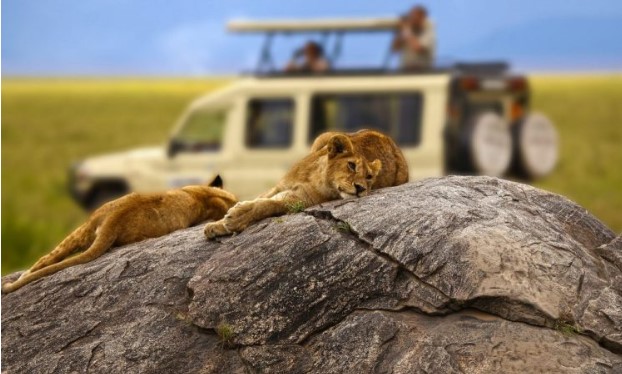
In the heart of East Africa lies a sanctuary where the rhythm of nature beats strongest, where wildlife roams in numbers that stagger the imagination, and where landscapes tell stories written across millions of years. Safaris in Tanzania offer more than mere glimpses of animals—they provide portals into ecosystems functioning exactly as they have since long before humans walked upright on these same plains. This is where adventure seekers, nature lovers, and photographers converge to witness spectacles that define the very essence of wild Africa.
The magnetism of safaris in Tanzania draws from a perfect storm of favorable conditions. Geography blessed the nation with volcanic soils that nourish grasslands supporting massive herbivore populations. Climate patterns create seasonal variations driving animal movements across vast territories. Political vision established protected areas covering millions of hectares where wildlife flourishes without the pressures decimating populations elsewhere. The result is a safari destination where excellence isn’t occasional but consistent, where every journey delivers moments of wonder, and where the wild heart of Africa still beats powerfully.
For those contemplating safaris in Tanzania, the decision represents more than choosing a vacation destination—it’s selecting an experience that will fundamentally alter how you perceive nature, wilderness, and humanity’s relationship with the living world. The encounters awaiting you—watching a leopard’s muscles ripple as it hauls a gazelle into an acacia tree, hearing the thunderous approach of wildebeest herds numbering in hundreds of thousands, feeling the ground vibrate as elephants pass within arm’s reach of your vehicle—create memories that transcend typical travel experiences to become defining life moments.
The Foundation of Tanzania’s Safari Supremacy
The preeminence of safaris in Tanzania among African destinations stems from multiple reinforcing advantages that individually would distinguish any location but together create unmatched safari experiences. Understanding these foundational elements illuminates why Tanzania consistently ranks first among seasoned travelers, wildlife professionals, and conservation organizations when evaluating Africa’s premier safari destinations.
Ecological integrity forms the bedrock. Unlike regions where wildlife exists in isolated fragments surrounded by human development, Tanzania’s protected areas connect through ecological corridors enabling seasonal movements, genetic exchange between populations, and maintenance of natural predator-prey ratios. This connectivity means safaris in Tanzania showcase complete ecosystems rather than artificial assemblages of animals confined to inadequate spaces.
Population densities of key species exceed anywhere else globally. Where other destinations consider themselves fortunate to host hundreds of elephants or dozens of lions, Tanzania counts elephants in tens of thousands and lions in thousands. The Serengeti alone supports approximately 3,000 lions—more than entire countries elsewhere. These numbers translate directly into superior viewing opportunities during safaris in Tanzania, where encountering predators becomes expected rather than exceptional.
Habitat diversity compressed into accessible regions allows experiencing radically different environments within single journeys. The northern safari circuit spans volcanic highlands exceeding 2,400 meters elevation to lowland plains near 1,000 meters, creating temperature and rainfall gradients supporting everything from montane forests to semi-arid grasslands. Each habitat hosts specialized species, ensuring visual variety and biological diversity that prevents safari fatigue even during extended visits.

Infrastructure maturity distinguishes safaris in Tanzania from emerging destinations still developing tourism capabilities. Decades of continuous operation have refined every aspect—guide training produces world-class naturalists, lodge construction balances comfort with environmental sensitivity, road networks provide access without excessive habitat disruption, and regulatory frameworks ensure quality standards while preventing overtourism that degrades experiences in some competing destinations.
Conservation funding models demonstrate that safaris in Tanzania actively benefit wildlife rather than merely exploiting it. Tourism revenues fund extensive anti-poaching operations employing thousands of rangers, support wildlife monitoring programs generating crucial population data, finance veterinary services treating injured animals, and provide community benefits creating local support for conservation. This virtuous cycle means your safari investment contributes directly to ensuring the wildlife you’ve come to see thrives for future generations.
Tanzania’s Legendary Safari Landscapes
Serengeti National Park: Nature’s Grand Theater
The Serengeti occupies mythical status in safari lore, and deservedly so. This vast expanse of protected wilderness delivers on every promise the name “safari” conjures in human imagination. Safaris in Tanzania’s Serengeti mean entering territories where wildlife, not humans, dominates the landscape, where ecological processes operate without interference, and where nature’s dramas unfold daily on scales both epic and intimate.
The park’s geographic extent—approaching 15,000 square kilometers—creates authentic wilderness feelings increasingly rare globally. Within these boundaries exist regions visitors might explore for days without encountering another vehicle, areas where the only sounds are wind rustling grass and animals calling, and landscapes where horizons stretch unbroken by human structures. This vastness allows wildlife to behave naturally, unaffected by human presence beyond occasional safari vehicles that animals largely ignore.
Predator populations make the Serengeti legendary among safaris in Tanzania destinations. The 3,000 lions inhabiting the park organize into complex social networks where multi-generational prides defend territories, bachelor coalitions challenge established males, and females cooperatively rear cubs while jointly hunting prey that would overwhelm solitary hunters. Observing these interactions reveals intelligence, emotion, and social complexity rivaling primates, challenging simplistic views of carnivores as mere killing machines.
Leopards, though more elusive given their solitary, nocturnal nature, occur in healthy numbers particularly around the central Seronera region’s kopjes. These rocky outcrops provide ideal territories—elevated positions for spotting prey, trees for hoisting kills beyond scavenging hyenas and lions, and caves offering shelter during harsh weather. Patient observers during safaris in Tanzania’s Serengeti frequently succeed in locating leopards through systematic kopje checking, especially during early morning and late afternoon when these cats become active.
Cheetahs patrol the open plains where their speed advantage proves decisive. Unlike lions that use cover for ambush hunting or leopards that rely on stealth in dense vegetation, cheetahs depend on open terrain allowing the high-speed chases that make them nature’s fastest land animals. Watching cheetahs hunt—the stalking approach, explosive acceleration reaching 100+ kilometers per hour within seconds, the desperate twists and turns as prey attempts evasion, and finally the exhausted predator gasping for breath after successful kills—ranks among safaris in Tanzania’s most thrilling experiences.

The Great Migration adds seasonal dimensions to Serengeti safaris. Understanding migration patterns helps visitors time safaris in Tanzania to witness specific phases. December through March finds herds in southern plains for calving season when 8,000 calves daily transform the landscape into nature’s largest nursery while attracting every predator within reach. April and May bring northward movements as southern grasses exhaust. June and July feature western corridor crossings including the Grumeti River. August through October deliver the famous Mara River crossings where chaos, danger, and determination combine in unforgettable spectacles. November completes the cycle with southward returns following new grass growth.
Ngorongoro Conservation Area: The Living Eden
The Ngorongoro Crater represents geological drama translated into ecological paradise. This UNESCO World Heritage Site combines spectacular scenery with wildlife densities that make it indispensable to safaris in Tanzania itineraries. Descending into the crater delivers the sensation of entering a lost world, a self-contained kingdom where wildlife thrives in concentrations found nowhere else on Earth.
The crater’s formation history adds wonder to wildlife viewing. When a massive stratovolcano collapsed approximately 2.5 million years ago following catastrophic eruptions, it left a caldera whose walls now rise 600 meters above the floor, creating natural boundaries that keep most animals within this enclosed space. Permanent springs emerging from crater walls provide year-round water independent of seasonal rains, establishing stable conditions supporting dense wildlife populations regardless of drought conditions affecting surrounding areas.
Wildlife viewing reliability makes Ngorongoro crucial to safaris in Tanzania, particularly for visitors with limited time wanting guaranteed Big Five encounters. The crater floor’s relatively small area—approximately 260 square kilometers—combined with high animal densities means comprehensive game drives covering the floor typically encounter lions, elephants, buffaloes, and with reasonable luck, the critically endangered black rhinos that find sanctuary here. Leopards remain more challenging given their preference for the forested crater slopes, but even these elusive cats occasionally venture onto the floor.
The crater’s ecosystem supports fascinating behavioral adaptations worthy of extended observation during safaris in Tanzania. Lions here show unusual social patterns influenced by the enclosed space, with pride territories compressed and inter-pride interactions more frequent than in open ecosystems. Spotted hyena clans reach extraordinary sizes—some exceeding 100 individuals—and demonstrate complex hierarchies where females dominate males and maternal lineages determine social rank through generations. Even herbivores display distinctive patterns, with some wildebeest remaining resident rather than joining migrations, and zebras exhibiting grazing preferences shaped by the crater’s specific vegetation communities.
Beyond the crater floor, the broader conservation area encompasses significant territories including Olduvai Gorge where Louis and Mary Leakey’s discoveries revolutionized understanding of human evolution. This archaeological dimension adds depth to safaris in Tanzania, connecting wildlife viewing with reflections on humanity’s own African origins and our long coexistence with the species we now travel thousands of kilometers to observe.
Tarangire National Park: Where Giants Gather
Tarangire National Park punches far above its weight among safaris in Tanzania destinations. While smaller than the Serengeti and less famous than Ngorongoro, Tarangire during peak dry season delivers elephant encounters and overall game viewing quality that frequently surprises first-time visitors expecting it to play supporting role to more celebrated neighbors.
The park’s seasonal transformation reveals ecosystem dynamics in action. Wet season sees wildlife dispersed across vast territories where temporary water sources exist throughout the greater Tarangire ecosystem. As dry season progresses and seasonal waters evaporate, animals funnel toward the permanent Tarangire River, creating concentrations that transform the park into one of safaris in Tanzania’s wildlife hotspots. This predictable pattern means visitors timing safaris between June and October witness spectacular animal gatherings impossible during other months.
Elephant populations justify Tarangire’s reputation as Tanzania’s premier elephant park. Dry season congregations along the river regularly exceed 300 individuals—family groups with calves of various ages, matriarchs leading their herds to proven watering points, bachelor groups of young males testing dominance hierarchies, and elderly bulls moving solitary between groups. These gatherings provide unparalleled opportunities during safaris in Tanzania to observe elephant society in action—witnessing trunk use for drinking, bathing, greeting, disciplining youngsters, and expressing emotions, observing how herds coordinate movements and respond to threats, and appreciating the intelligence evident in their problem-solving approaches to accessing water and food.
The ancient baobabs scattered throughout Tarangire create landscape character impossible to replicate elsewhere. These botanical marvels, living up to 1,500 years, develop massive trunks that can exceed 10 meters in diameter, with some specimens large enough to shelter entire families inside natural hollows. The baobabs serve crucial ecological roles—elephants dig into their fibrous wood for stored water during extreme droughts, various species consume their vitamin-rich fruit, bark provides nutrition when other foods scarce, and their distinctive silhouettes create photographic opportunities that define safaris in Tanzania visual aesthetics.
Wildlife diversity beyond elephants ensures Tarangire delivers comprehensive safari experiences. Large buffalo herds graze the floodplains, oryx and eland inhabit drier regions, impala and waterbuck cluster near riverine areas, and giraffes browse acacia crowns in characteristic poses. Predator populations including lions, leopards, and cheetahs patrol territories where prey concentrations around water create reliable hunting opportunities. The park’s birdlife—over 550 recorded species—rivals Tanzania’s best birding destinations, with massive breeding colonies of yellow-collared lovebirds, Kori bustards displaying in grasslands, and various raptors patrolling for prey.
Lake Manyara: Compact Brilliance
Lake Manyara National Park epitomizes the diversity possible within compact spaces during safaris in Tanzania. This park stretching along the Rift Valley escarpment encompasses forest, woodland, grassland, and lake habitats within approximately 330 square kilometers, each zone supporting specialized species creating remarkable biodiversity density.
The groundwater forest section near the park entrance immerses visitors in jungle-like environments rarely experienced during typical safaris in Tanzania. Massive fig trees, towering mahoganies, and dense vegetation create canopy cover where baboon troops forage, blue monkeys leap between branches, and elephants navigate surprisingly gracefully despite their bulk. This forest section provides refreshing contrast to open savanna habitats dominating other parks while showcasing how elephants adapt to varied environments.
Lake Manyara’s tree-climbing lions remain the park’s flagship attraction, though seeing them requires patience and luck since they don’t perform on schedule. When encountered, these lions lounging in acacia branches create photographic opportunities impossible elsewhere during safaris in Tanzania. Scientists continue studying why Manyara’s population developed this behavior more extensively than lions elsewhere, with theories ranging from escaping biting flies to gaining cooler elevated resting spots to improving prey observation across dense vegetation. Whatever the explanation, witnessing 150-kilogram predators relaxing in trees challenges conventional expectations about lion behavior.
The alkaline lake attracts spectacular water bird concentrations when conditions favor algae growth supporting flamingo feeding. During favorable periods, tens of thousands of flamingos create pink expanses visible from great distances, their synchronized movements as they feed creating living artworks. Pelicans, cormorants, storks, herons, egrets, and countless other species make Lake Manyara among safaris in Tanzania’s premier birding destinations, with woodland, grassland, and wetland species all accessible within single game drives spanning just hours.
Crafting Your Ideal Safari Experience
Understanding Cost Structures
Budgeting appropriately for safaris in Tanzania requires understanding how costs accumulate and where spending delivers maximum value. Safari expenses divide into fixed and variable components, each offering different opportunities for strategic decision-making.
Fixed costs include national park fees, conservation fees, and government levies that apply uniformly regardless of accommodation choices or operator selection. These fees—typically $70-80 per person per day for premier parks like Serengeti and Ngorongoro—fund conservation operations and aren’t negotiable. Understanding that these costs exist regardless of overall safari budget helps frame other spending decisions.
Accommodation represents the largest variable cost component in safaris in Tanzania, ranging from $50 per person nightly for basic camping to $2,000+ for ultra-luxury tented camps. Mid-range lodges and camps ($200-500 nightly) provide comfortable accommodations with proper beds, private bathrooms, decent meals, and amenable locations without luxury price tags. Strategic accommodation selection—perhaps splurging on luxury for one or two nights while choosing mid-range elsewhere—balances budget constraints with desire for premium experiences.
Transportation and guide services vary based on vehicle quality, group size, and guide expertise. Joining scheduled group departures reduces per-person costs by sharing vehicles and guides among multiple travelers. Private safaris cost more but provide flexibility, personalized attention, and freedom to adjust itineraries based on wildlife sightings or weather conditions. Guide quality dramatically impacts satisfaction regardless of vehicle or accommodation—prioritize operators employing experienced, licensed professionals over those rotating through casual drivers.
Seasonal timing offers significant cost flexibility. Peak dry season (July-October) commands premium pricing when demand peaks. Shoulder seasons (June and November) offer slight discounts while maintaining excellent wildlife viewing. Wet season (December-May, excluding December-January holiday period) delivers substantial savings—30-50% discounts—while providing lush landscapes, birthing seasons, superior photography, and solitude that many experienced travelers prefer despite occasional rain.
Maximizing Wildlife Encounters
Success during safaris in Tanzania involves more than simply visiting parks—it requires strategic approaches maximizing encounter frequency and quality. Understanding animal behavior patterns, habitat preferences, and seasonal movements dramatically improves wildlife viewing outcomes.
Time of day significantly influences wildlife activity and viewing success. Early morning game drives beginning at dawn catch predators returning from nocturnal hunts, herbivores actively feeding after cool nights, and wildlife generally more active before midday heat reduces movement. Late afternoon drives capture increased activity as temperatures moderate, with predators beginning evening hunts and herbivores moving to water sources. Midday hours see reduced activity as most animals rest in shade, though this period works well for finding leopards in trees, observing elephants at water, and birding when species become more visible.
Habitat understanding helps predict where different species likely concentrate. Lions frequent areas with good prey densities and shade for resting—look around kopjes, along rivers, and in woodland edges. Leopards prefer territories with trees for kill storage and rocky areas for denning—focus searches around kopjes and riverine forests. Cheetahs need open plains for hunting—scan grasslands carefully, particularly areas with scattered termite mounds providing elevated observation points. Elephants during dry seasons concentrate along permanent water sources but during wet seasons disperse widely requiring broader search patterns.
Patience produces superior results. When encountering interesting wildlife situations—predators showing hunting interest, elephants at water, animals engaged in social behaviors—staying longer rather than rushing to find other species often delivers the most memorable moments during safaris in Tanzania. The most dramatic wildlife encounters typically develop over extended periods as situations evolve, behaviors escalate, or other species arrive creating complex interactions.
Conclusion
Safaris in Tanzania deliver transformative experiences connecting modern humans with wild nature in ways that profoundly influence perspectives on conservation, ecology, and our place within Earth’s living systems. The privilege of witnessing ecosystems functioning according to natural principles, observing animals exhibiting behaviors refined through millions of years of evolution, and experiencing wilderness on scales increasingly rare globally creates memories and insights extending far beyond typical vacation experiences.
Your participation in safaris in Tanzania contributes meaningfully to conservation success. Every dollar spent supports anti-poaching operations protecting wildlife from criminal syndicates, funds scientific research generating crucial management data, finances community development creating local support for conservation, and demonstrates that wildlife generates sustainable economic value justifying protection. This contribution transforms tourism from extraction into partnership where visitors, wildlife, and local communities all benefit.
The invitation remains perpetually open. Tanzania’s protected areas still harbor wildlife in abundance approaching historical norms, landscapes still stretch pristine to horizons, and wilderness still exists where nature rather than humanity sets terms and rhythms. Safaris in Tanzania await to show you these wonders, to immerse you in the sights, sounds, and sensations of wild Africa, and to create the moments that will inspire and influence you throughout your life. The wild heart of Africa beats strongly—will you come listen?
Key Takeaways
- Safaris in Tanzania excel through unique combinations of exceptional wildlife density, ecosystem diversity, mature infrastructure, and proven conservation funding models creating consistently superior experiences
- Tanzania protects vast interconnected territories enabling natural animal movements and complete ecosystem functioning rather than isolated wildlife fragments
- The northern circuit’s parks complement perfectly: Serengeti for scale and migration spectacle, Ngorongoro for density and reliability, Tarangire for elephants and seasonal drama, Lake Manyara for habitat diversity
- Strategic timing balances priorities: dry season (June-October) for optimal visibility and migration crossings versus wet season (November-May) for landscapes, photography, cost savings, and solitude
- Budget flexibility exists across accommodation spectrum from camping ($200-400 daily total) through mid-range ($500-800) to luxury ($1,000-3,000+) while wildlife access remains equivalent
- Wildlife viewing success depends on behavioral understanding, habitat knowledge, optimal timing, and patience rather than just visiting parks
- Tourism revenues from safaris in Tanzania directly enable conservation success through funding anti-poaching, research, and community programs creating sustainable protection models
Frequently Asked Questions
What is the absolute best time for safaris in Tanzania?
No single “best” time exists—optimal timing depends entirely on your priorities. For maximum wildlife visibility, dry conditions, and witnessing Mara River crossings, visit July through October. For the calving season’s intense predator action and newborn animals, choose late January through March. For budget optimization, beautiful landscapes, dramatic photography, and avoiding crowds, select wet season November through May (excluding holiday periods). For comfortable weather and good wildlife before peak crowding, June or November work excellently. Tanzania delivers outstanding safaris in Tanzania year-round—the “best” time is whenever aligns with your specific priorities regarding weather, wildlife events, crowds, and budget. Experienced travelers often prefer shoulder and wet seasons for superior overall experiences despite dry season’s reputation.
How do I choose between Tanzania safari operators?
Operator selection critically impacts safari quality and satisfaction. Evaluate several factors: guide credentials and experience (licensed professional guides versus casual drivers make enormous differences), vehicle condition and specifications (well-maintained Land Cruisers with pop-up roofs and limited passengers optimize viewing), accommodation selections (verify actual properties rather than accepting vague “luxury camp” descriptions), group size limitations (smaller groups mean better viewing and flexibility), and operational transparency (detailed itineraries, clear pricing, responsive communication). Read extensive reviews from multiple sources, noting patterns regarding guide knowledge, accommodation accuracy, vehicle reliability, and problem resolution. Request detailed day-by-day itineraries identifying specific accommodations. Verify proper licensing and insurance. During consultations, assess whether operators listen to preferences and customize recommendations or simply push standard packages. Price shouldn’t be the sole determinant—the cheapest safaris in Tanzania often cut corners on guide quality, vehicle maintenance, and accommodations, ultimately delivering disappointing experiences despite apparent cost savings.
Are safaris in Tanzania safe for solo female travelers?
Yes, safaris in Tanzania are generally very safe for solo female travelers when booked through reputable operators. The structured nature of safaris—traveling with guides, staying in secure lodges, and following established itineraries—provides inherent safety. Most accommodations employ security staff and maintain strict access controls. Fellow guests and staff typically look out for solo travelers, creating community atmosphere. Risks are minimal within safari contexts—you’re far safer in national parks than most urban environments. Standard precautions apply: choose established operators with positive reviews, communicate clearly about solo status so guides provide appropriate attention, avoid walking alone outside lodges after dark, secure valuables, and trust instincts about situations or people. Many solo female travelers report safaris in Tanzania among their safest travel experiences, noting the respectful treatment, helpful fellow travelers, and protective guides who ensure comfort and security. Cultural interactions outside tourist areas require more awareness, but within safari contexts, safety concerns should not deter solo female travelers from experiencing Tanzania’s magnificent wildlife.
What vaccinations are absolutely required for safaris in Tanzania?
Yellow fever vaccination is the only legally required vaccination for safaris in Tanzania, and only if you’re arriving from yellow fever endemic countries—travelers arriving directly from North America, Europe, or most of Asia don’t require it legally, though it’s often recommended for comprehensive protection. However, strongly recommended vaccinations include Hepatitis A (transmitted through contaminated food/water), Hepatitis B (if extended stay or potential medical procedures), typhoid (food/water contamination risk), routine vaccinations including tetanus-diphtheria, measles-mumps-rubella, and polio (ensuring updated protection), and rabies for those planning extended rural exposure or wildlife handling. Malaria prophylaxis, while not a vaccination, is strongly recommended for safaris in Tanzania—northern parks present lower risk than coastal areas, but protection remains advisable. Consult travel medicine specialists or tropical disease clinics 8-10 weeks before departure for personalized recommendations based on your specific itinerary, pre-existing health conditions, and current disease patterns. Requirements and recommendations change, so verify current guidelines closer to departure.
Can I use my phone and internet during safaris in Tanzania?
Connectivity during safaris in Tanzania varies dramatically by location. Major towns like Arusha have reliable cellular coverage and internet access. Once in national parks, coverage becomes sporadic or nonexistent—the Serengeti’s central areas have limited coverage from Tanzanian carriers, but vast regions have no signal at all. Ngorongoro Crater rim has partial coverage, but the crater floor has virtually none. Tarangire and Lake Manyara have minimal coverage. Many lodges and luxury tented camps offer WiFi, though speeds are often slow given satellite internet dependencies and shared bandwidth. Connection reliability varies—some camps provide excellent service while others offer barely functional connectivity. For many visitors, limited connectivity enhances safaris in Tanzania by reducing distractions and encouraging presence in the moment. If constant connectivity is essential, research specific lodges before booking and consider purchasing local SIM cards from Vodacom or Airtel for best coverage in accessible areas. However, embrace the digital detox opportunity—wildlife encounters deserve undivided attention rather than competition with phones.
What should I wear on safaris in Tanzania?
Clothing for safaris in Tanzania should prioritize functionality over fashion. Colors matter—neutral tones like khaki, olive, tan, and brown blend with environments without alarming animals, while bright colors, white, and pure black attract attention or show dirt excessively. Avoid camouflage patterns as some African countries prohibit them. Layering proves essential given temperature fluctuations from cool dawn drives through hot midday to cool evenings—bring lightweight long-sleeve shirts, fleece or light jackets, and breathable pants that can be rolled to shorts. Wide-brimmed hats provide crucial sun protection, quality sunglasses with UV protection prevent eye damage from intense equatorial sun, and closed-toe shoes or boots protect feet during walking activities while sandals suit lodge wear. Natural, breathable fabrics like cotton and technical moisture-wicking materials work better than synthetics that trap heat. Bring modest clothing respecting local culture—covering shoulders and knees outside tourist areas. Most lodges offer laundry services enabling packing light rather than bringing outfits for every day. Focus on comfortable, practical clothing allowing focus on wildlife rather than wardrobe.