
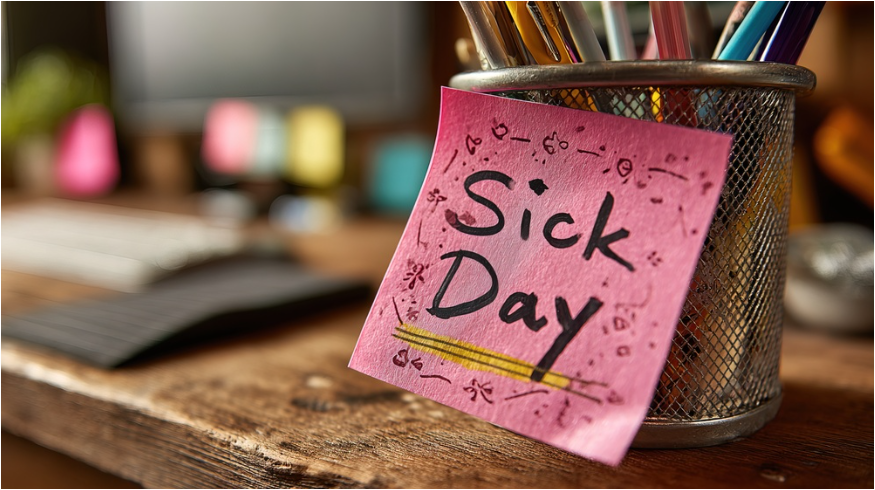
American businesses hemorrhage money every year when employees call in sick. Projects grind to a halt. Deadlines whoosh by. The whole machine sputters and coughs. But here’s what smart companies figured out: your workspace might be making your team sick.
Air Quality Makes or Breaks Health
Stale office air is basically a petri dish with cubicles. Think about it. That same air circles round and round, picking up whatever anybody coughs out. Mold hides in ceiling tiles. Printer toner floats around like invisible poison. The perfume and chemicals mix, creating a toxic environment. So, it’s not surprising when half the team gets the flu at once.
Some companies got wise to this mess. They rip out old ventilation. Install systems that actually bring in fresh air from outside. Others use spider plants and peace lilies. These are effective natural air filters. Some use hidden UV lights to kill germs. Sounds like overkill until you see sick days drop by thirty percent.
Clean Spaces Stop Germs Cold
Your keyboard? More unsanitary than your toilet. It is not an exaggeration. Scientists tested it. Door handles might as well be germ highways. The coffee pot handle? A bacteria convention center. That innocent-looking break room sponge could probably qualify as a biological weapon. Gross, but true.
Professional office cleaning changes the game completely. Massachusetts-based All Pro Cleaning Systems and similar services know where germs throw their parties: elevator buttons, microwave handles, that spot where everyone leans on the reception desk. They use powerful disinfectants to kill germs, not just displace them. Clean means more than just germ-free, though. Mess equals stress. Stress tanks your immune system faster than licking a subway pole. When desks stay organized and surfaces shine, brains relax. Relaxed brains tell bodies to stay strong. It’s weird, but it works.
Design That Promotes Wellness
The individual responsible for the windowless office design deserves to be permanently employed within one. Harsh? Maybe. But those cave-like spaces destroy health. People need sunlight just as plants need water. Sunlight affects vitamin D, circadian rhythms, and happiness. Stick someone in a basement cube farm and watch them wilt. Their sick days pile up. Their work suffers. Nobody wins.
Smart offices get people moving too. Put the printer down the hall. Offer standing desks. Make the stairs welcoming instead of intimidating concrete structures. Moving bodies are healthier than those glued to chairs for long periods. It’s not complicated math. Even furniture matters. That ancient chair causing back pain? It’s costing more in sick days than a decent replacement would. Screens at the wrong height cause migraines. Bad lighting strains eyes until heads pound. Fix these basics and watch attendance improve.
Stress Reduction Through Environment
Stress is a destroyer of immune systems. Offices that are loud and chaotic constantly keep everyone in a state of high alert. Some fixes are stupidly simple. Soft materials soak up noise. A few plants make everything feel calmer. Paint walls blue or green instead of prison gray. A small fountain in the lobby could help mask the loud phone conversations. These aren’t far-out notions. Real research supports them. They indicate reduced cortisol, improved sleep, and fewer stress illnesses.
Conclusion
Sick days aren’t random acts of fate. The space where people spend forty hours a week either protects their health or attacks it. There’s no middle ground. It’s true that solving environmental problems requires an initial investment. However, consider the cost of ongoing sick days, missed deadlines, and unhappy employees. It’s quite obvious when you look at the math. Healthy spaces create healthy teams. And healthy teams get stuff done.